
 English
 Română
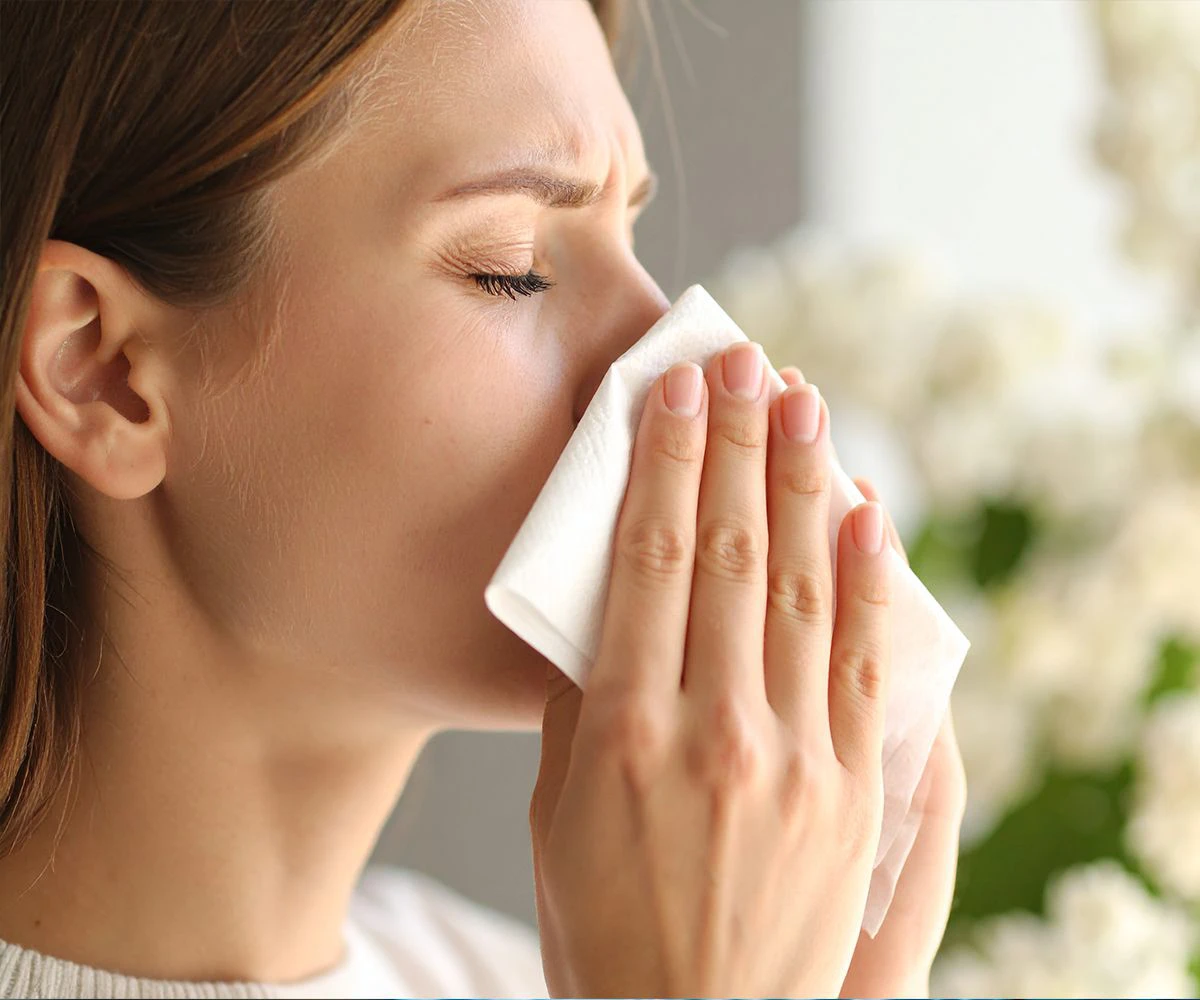
Allergic Rhinitis – Causes, Symptoms, and Natural Remedies for a Life Without Discomfort
What is allergic rhinitis?
Allergic rhinitis is a common condition affecting the
upper respiratory tract, caused by an exaggerated immune system response to
seemingly harmless substances in the environment, known as allergens.
When the body encounters these allergens, it releases histamine, which
leads to inflammation of the nasal mucosa and the appearance of typical
symptoms.
There are two main forms of allergic rhinitis:
- Seasonal
allergic rhinitis (hay fever): Occurs especially in spring, summer, or
autumn when pollen levels in the air are high.
- Perennial
allergic rhinitis: Persists year-round and is caused by indoor
allergens such as dust mites, pet dander, or mold.
Symptoms of allergic rhinitis
Symptoms can vary in intensity, but commonly include:
- Frequent
sneezing, sometimes in fits
- Nasal
congestion or watery nasal discharge
- Itchy
nose
- Red,
irritated, and watery eyes
- Fatigue,
irritability, difficulty concentrating
- Mild
cough or throat irritation
These symptoms can affect sleep quality, work or school
performance, and overall well-being.
Causes and triggers
Allergic rhinitis is triggered by exposure to allergens. The
most common include:
Outdoor allergens:
- Tree
pollen (spring), grass pollen (summer), and weed pollen such as ragweed
(autumn)
- Outdoor
mold spores
Indoor allergens:
- Dust
mites
- Indoor
mold
- Pet
hair or dander
- Cigarette
smoke and chemicals in cleaning products
Aggravating factors:
- Excessive
humidity in the air
- Urban
pollution
- Sudden
temperature changes
- Stress
and a weakened immune system
How is allergic rhinitis treated?
Conventional treatment includes antihistamines, nasal
corticosteroids, or specific immunotherapy (allergy shots). However, many
people are now looking for natural solutions to reduce symptoms without
side effects.
Natural remedies for allergic rhinitis
1. Nasal irrigation with saline water
One of the most effective and accessible natural methods. It
helps cleanse allergens from the nasal mucosa, reduces inflammation, and makes
breathing easier.
How to use it: Use a physiological saline solution or
make one at home (1 teaspoon of non-iodized salt in 500 ml of boiled and cooled
water).
2. Steam inhalation with essential oils
Warm steam opens the airways, and essential oils like
eucalyptus, peppermint, or lavender have anti-inflammatory and antiseptic
effects.
Medyway Tip: Do a 10-minute inhalation session every
morning and evening.
3. Anti-inflammatory diet and medicinal teas
Certain foods and herbs help reduce allergic reactions.
- Nettle
tea – has a natural antihistamine effect
- Chamomile
tea – soothes the throat and respiratory tract
- Rooibos
tea – rich in antioxidants, combats inflammation
Include ginger, turmeric, garlic, and green
vegetables in your diet – all have beneficial properties.
4. Probiotics – key to a balanced immune system
A healthy gut microbiome supports the immune response. You
can consume:
- Natural
yogurt, kefir
- Naturally
fermented pickles (unpasteurized)
- Probiotic
supplements (recommended by a doctor)
5. Local honey – a possible natural ally
Daily consumption of honey from your local area may lead to
gradual desensitization to local pollen.
Note: Not
recommended if you have a severe allergy to bee products!
6. Fresh air and a beneficial climate
The environment we live in plays a vital role. Mountain
regions, coastal areas, or spa resorts can have a positive effect in
alleviating allergy symptoms.
Allergic rhinitis can greatly impact your quality of life,
but with the right information and approach, it can be effectively managed.
Whether you choose natural therapies or a healing escape in nature, the most
important thing is not to ignore the symptoms and take time for your health.
Warm regards,
The Medyway Team – breathe better, live better.